
PRESS RELEASE
STOCKHOLM, 28 SEPTEMBER 2026
Swedish research to break new ground in preventive health
The new Artemis study aims to advance the science of disease prevention. By combining health data collected since 2009 with new assessments and advanced analyses, researchers will study how biology, lifestyle and the environment interact to shape health over time. This offers a rare opportunity to trace patterns that emerge years before disease becomes apparent and understand what might be prevented.
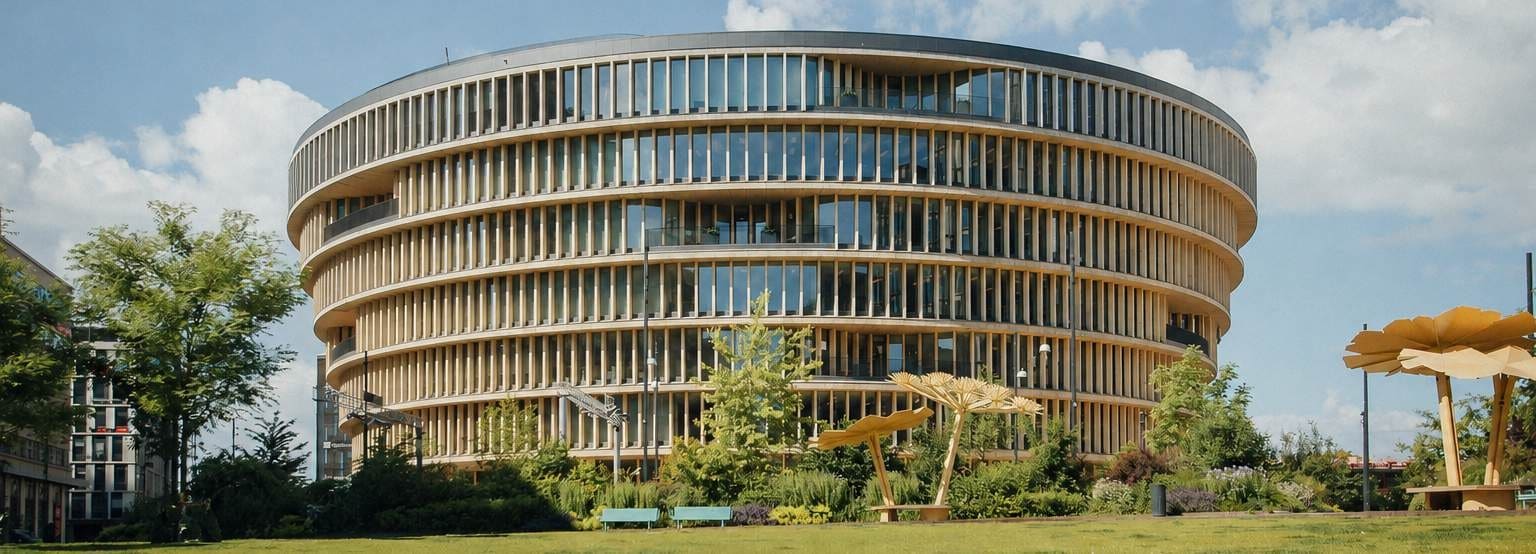
Artemis is led and coordinated by ABC Labs, based in the Forskaren building next to Karolinska University Hospital in Stockholm.
Why do some people become ill while others with similar risk factors remain healthy? This is one of the central questions for Artemis, which builds on LifeGene at Karolinska Institutet and draws on a group of around 40,000 people.
For many participants, questionnaire responses, clinical assessments, laboratory results and biological samples are already available. Combined with continued follow-up, these records will help researchers understand what happens in the body over many years, both in people who remain healthy and in those who develop disease.
Looking for patterns
Researchers will examine genetic factors, proteins and other biological markers alongside information about participants’ lifestyles and environments. Statistical methods and advanced computational models will help them identify relationships that may be difficult to detect when individual factors are studied separately.
Repeated assessments will show how these relationships develop as people’s health changes. Identifying early biological changes is one step. Further research is needed to understand whether these changes contribute to disease and whether altering them could reduce the risk. The study takes a broad approach, with particular interest in common diseases that affect large numbers of people.
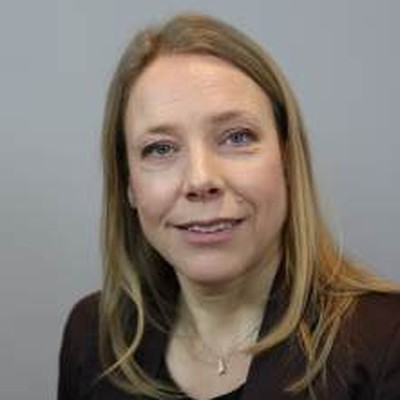
”What makes Artemis different is that we already have a detailed picture of participants’ health going back many years. By combining this with new assessments, we can look for patterns that were present long before disease or clear warning signs emerged. That would be difficult to achieve with a study starting from scratch today.”
Understanding what works for whom
Much of what we know about disease comes from studying people who already have a diagnosis. Following people while they are healthy could help researchers identify when and how disease might be prevented.
The longer-term ambition is to make prevention more precise. Differences in biology and circumstances may explain why the same advice or treatment benefits some people more than others. Findings from Artemis could help guide prevention and care that take these differences into account.
”To improve prevention, we need to understand more about what happens before disease develops. If we can identify biological changes years before someone becomes ill, we can begin to work out which changes matter and which we might be able to influence.”

LifeGene participants can continue contributing
The answers and samples LifeGene participants provided years ago can help address questions that a single health check cannot answer. Continued participation will help connect this earlier information with participants’ future health.
Participants will also have the opportunity to follow their own health over time, while contributing to research that could help more people live longer in good health.
About Artemis
Artemis is led and coordinated by ABC Labs and brings together researchers and specialists in genetics, molecular epidemiology, proteomics and data-driven biomedicine from institutions including Karolinska Institutet, Uppsala University and KTH Royal Institute of Technology.
The study has been approved by the Swedish Ethical Review Authority.