
Artemis · Research into disease prevention
What changes before
we become ill?
Artemis is a research study led by ABC Labs. We follow the same people over time to understand what changes before disease and how that knowledge could help prevent it.
Who can take part?Currently open to invited LifeGene participants
If you previously took part in LifeGene and have received an invitation, you can join Artemis. We plan to open the study to more people. Leave your email address if you would like us to let you know when.
Why Artemis
Health changes throughout life.
Biology, lifestyle and living conditions shape our health. By following people over many years, researchers can study which changes come before disease and which patterns are associated with remaining healthy. The aim is to build evidence for earlier preventive action.
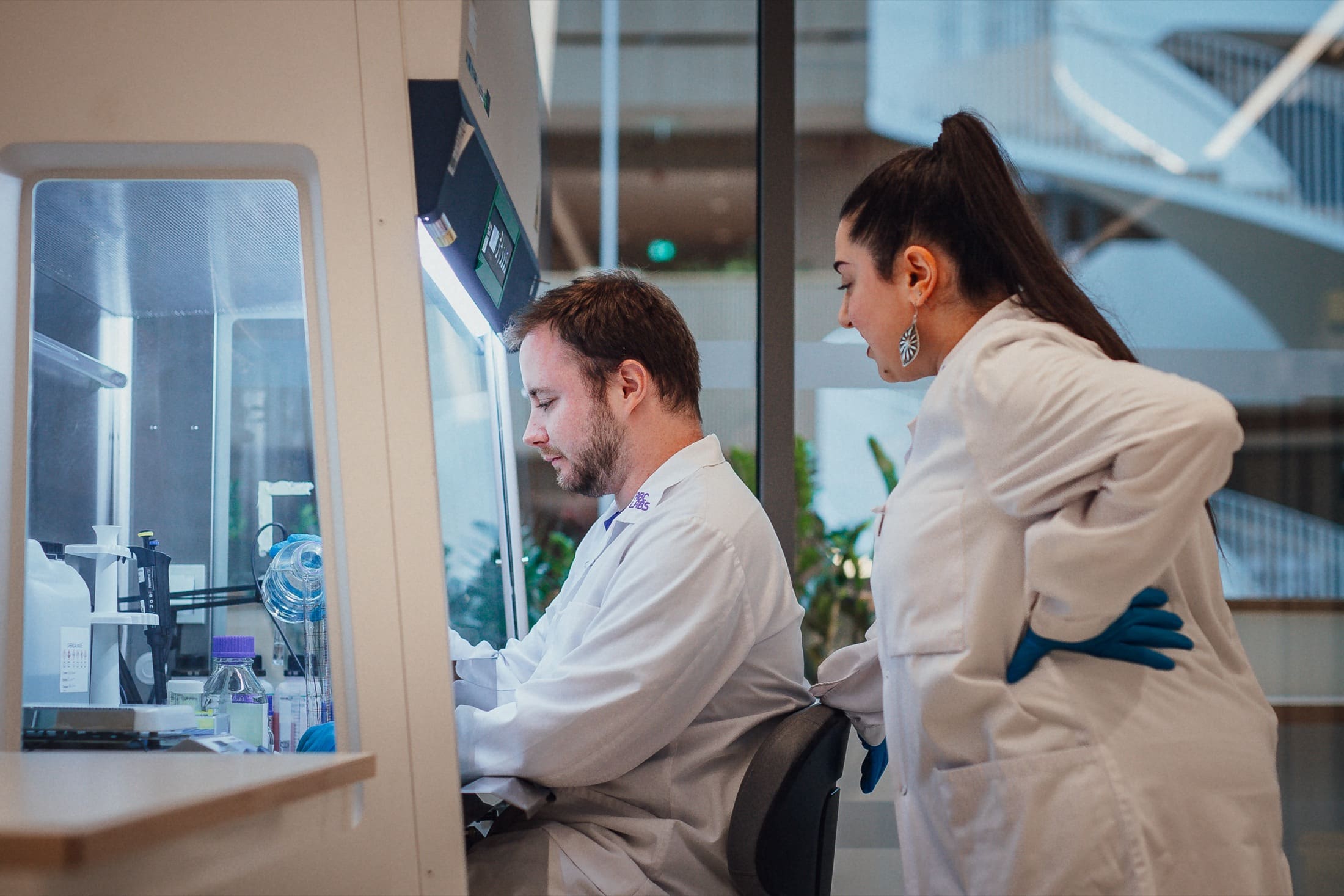
How we study health.
The same people over time
Repeated examinations make gradual changes easier to see. We follow participants over years, connecting new results with their earlier health records.
Several views of biology
We study genes, gene activity, proteins and small molecules, including products of the body’s metabolism. Together with clinical examinations and blood analyses, these provide different views of how health changes.
Measurements that can be compared
Examinations follow standardised methods. This allows researchers to compare results across visits and follow how measurements change.
Following your health
What do changes over time reveal?
Repeated tests allow you to follow changes in your measurements. You also contribute to research into how these changes might guide disease prevention and more personalised care.
A single test records one moment. Measurements over time can reveal a trend that would otherwise be difficult to see.
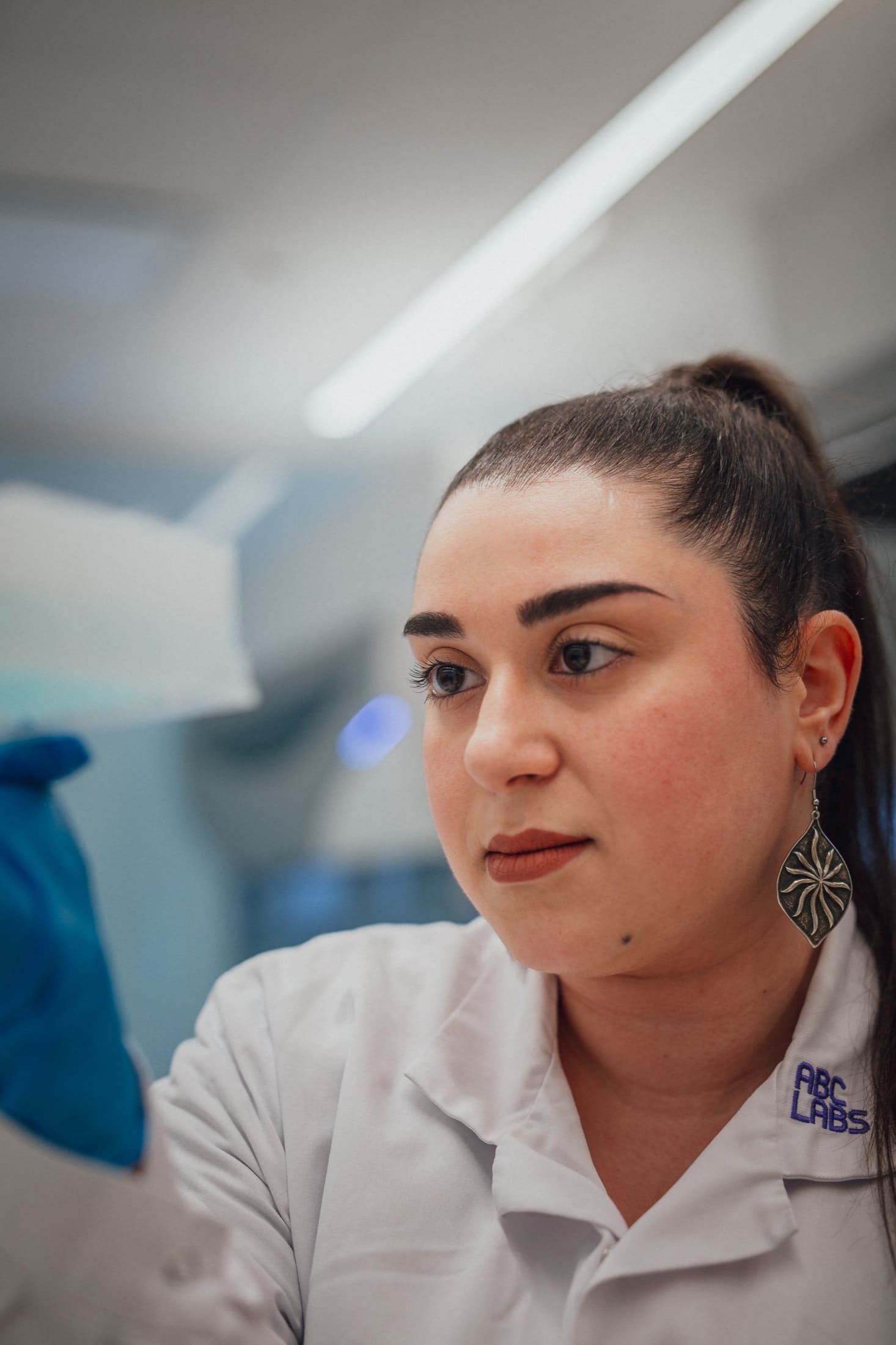
The people behind the study
Different expertise in one study.
Artemis brings together researchers, laboratory specialists, engineers and scientific collaborators. Their expertise connects biological samples and laboratory analysis with long-term health data and new research questions.
Meet the scientific teamResearch infrastructure
Resources for advanced analysis
SciLifeLab
National research infrastructure for molecular life sciences.
Karolinska Institutet
Research biobanking and resources for preparing cells and samples for molecular analysis.
Karolinska University Hospital
Clinical laboratory services.
Samples and examinations
Measurements used in Artemis
The study brings together clinical examinations, blood analyses and home sampling. Samples are also stored in a biobank for further research. Genetic and other molecular analyses are complemented by wearable measurements and participants’ accounts of their health.
- Blood analyses
- Clinical examinations
- Home sampling
- Wearables
- Biobank
- Genetics
- Gene activity
- Proteins
- Metabolomics
- Clinical AI agents
- Participants’ experiences
Data access
Health information across a lifetime
Data access and linkage take place within approved research protocols and applicable consent, privacy and governance requirements.
IMedical Birth Register107 variables
Information on pregnancy and birth. Fetal outcomes (MFR_FOK).
MEDICAL BIRTH REGISTRY
Medical records of all births.
- Acidosis correction
- Acupuncture
- Admission date to delivery ward
- Age at death in days (neonatal period only)
- Amniocentesis date
- Amniocentesis remark
- Apgar score at 1 minute
- Apgar score at 10 minutes
- Apgar score at 5 minutes
- Autopsy, child
- Bath
- Birth order and number in multiple birth
- Birth weight
- Caesarean section – elective or non-elective
- Caesarean section, indicator
- Cardiac massage (minutes)
- Child’s diagnoses
- Child’s diagnosis 1–12
- Child’s discharge date
- Child’s discharge method
- Child’s length
- Child’s operations and procedures
- Child’s operations and procedures 1–12
- Child’s personal identity number quality
- Child’s sex
- Clinic code
- Congenital malformation diagnosis present
- CVS date
- CVS remark
- Delivery ends vaginally
- Delivery ends with caesarean section
- Delivery ends with forceps
- Delivery ends with vacuum extraction
- Delivery starts with caesarean section
- District code
- Elective or emergency caesarean section
- Epidural anesthesia
- Episiotomy
- Forceps, indicator
- General anesthesia
- Gestational age estimation method
- Gestational length, completed weeks
- Gestational length, days beyond completed
- Head circumference (cm), pediatric
- Healthy child
- Hospital code, cleaned
- Hypnosis / suggestion
- ICD version
- Infiltration
- Intubation ventilation (minutes)
- Labour starts spontaneously
- Labour starts with induction
- Large for gestational age (LGA)
- Mask ventilation (minutes)
- Membranes in dividing wall in twin pregnancy
- Mother’s age
- Mother’s diagnoses
- Mother’s diagnosis 1–12
- Mother’s discharge date from delivery ward
- Mother’s discharge method
- Mother’s height (cm)
- Mother’s operations or procedures (merged
- Mother’s operations or procedures 1–12
- Mother’s personal identity number quality
- Mother’s weight (kg) at delivery
- Nitrous oxide
- No pain relief at all
- No pharmacological pain relief
- Number of antenatal care visits
- Obstetric operation
- Other pain relief
- Paracervical block
- Parity (birth order)
- Parity, child order number
- Parity, delivery order number
- Penthrane
- Personal identity number for multiples, quality
- Pethidine / morphine derivatives
- Placental weight (grams)
- Prenatal diagnostics – amniocentesis
- Prenatal diagnostics – CVS
- Presentation or position regardless of mode of
- Previous caesarean section
- Previous caesarean section, year
- Pudendal block
- Record creation date
- Sedative hypnotics
- Small for gestational age (SGA)
- Spinal anesthesia
- Sterile water injections
- Stillborn according to FV2
- Survival, neonatal period
- Tears – cervix
- Tears – clitoris
- Tears – perineum
- Tears – rectum
- Tears – sphincter
- Tears – vagina
- Time of birth
- Time of death, child
- TNS
- Vacuum extraction, indicator
- Vitamin K
- Weight (kg) at antenatal care admission
- Year
MEDICAL BIRTH REGISTER – FETAL OUTCOMES (MFR_FOK)
- Number of fetal malformations / chromosomal abnormalities
- Diagnosis 1–16 according to ICD
IIHealth registers96 variables
Cancer Register / Cause of Death Register / Prescribed Drug Register / National Patient Register, inpatient and outpatient care / Dental Health Register.
CANCER REGISTRY
- Age at diagnosis
- Year
- Malignant / Benign
- Date of diagnosis
- Basis of diagnosis
- ICD-7
- ICD-9
- ICD-O/2–10
- ICD-O/3
- Clinic
- Sex
- M category
- N category
- Autopsy finding
- Histopathology (PAD)
- Pathologist / Cytologist
- Personal identity number quality
- Region
- Side (laterality)
- Hospital
- SNOMED-O/3
- SNOMED-O/2–10
- T category
- TNM basis
- Tumour number
- Tumour number, malignant
CAUSE OF DEATH REGISTER (DORS)
- Age at death
- Alcohol-related diagnosis
- Number of contributing causes of death
- Occupational accident
- Year
- Autopsy
- Examination before death in hospital
- Examination before death outside hospital
- External post-mortem examination
- Other or unknown source as basis for certificate
- Date of death
- Death criteria
- Place of death
- Death abroad
- Main injury or poisoning
- Sex
- Multiple causes of death
- Date of operation
- Operated within 4 weeks before death
- Underlying cause of death
- Code in Nordic list for underlying cause of death
MEDICATION REGISTRY
- Number of packages
- Package size, numeric
- Year of prescription or dispensing
- ATC code
- DDD value
- DDD unit
- Dispensing date
- Prescribed number of packages
- Prescription date
- Prescription DDD
- Package DDD
- Sex
- Drug name
- Drug product
- Product type
- Substance name
NATIONAL PATIENT REGISTER – INPATIENT CARE (PAR_SV)
- Age
- Year
- Number of diagnoses
- Diagnoses
- Diagnosis-related group (DRG)
- External cause code 1–5
- Main diagnosis code
- Admission date (alphanumeric format)
- Mode of admission
- Sex
- Discharge date (alphanumeric format)
NATIONAL PATIENT REGISTER – OUTPATIENT CARE (PAR_OV)
- Age
- Year
- Number of diagnoses
- Diagnoses
- Diagnosis-related group (DRG)
- External cause code 1–7
- Main diagnosis code
- Visit date (alphanumeric format)
- Sex
- Type of outpatient contact
DENTAL HEALTH REGISTER (THR)
- Dental procedure
- Decision date
- Age at visit
- Visit date
- Sex
- Tooth number
- Tooth position
- Condition
- Decision date / ATB usage date
- Visit date / submission date
- Number of intact teeth
- Number of remaining teeth
IIISocioeconomic information48 variables
Information from LISA, Sweden’s longitudinal database for health insurance and labour market studies. Other information described in the study includes sickness absence, occupational injury, rehabilitation, parental leave, child health records and earned income. Access to additional registers is subject to the applicable requirements.
SICKNESS, OCCUPATIONAL INJURY AND REHABILITATION
- Income derived from sickness / occupational injury / rehabilitation, total
- Total number of net days with compensation for sickness / occupational injury
- Income derived from unemployment, total
- Number of days unemployed
- Number of days with temporary hourly allowance and number of days of part-
- Income derived from labour market policy measures, total
- Number of days in measure-related studies, number of days in measure-
- Income derived from disability pension / sickness benefit / sickness
- 1994–2002: Disability pension, number of net months and sickness benefit,
- 2003– : Sickness compensation, number of net months and activity
PARENTAL LEAVE
- Income derived from parental leave, total
- Number of days with parental benefit
- 1994–2013: Parental benefit, number of net days
- 2014– : Parental benefit, number of net days
- Income derived from temporary parental leave, total
- Temporary parental benefit, number of net days
CHILD CARE JOURNALS
Record of health from birth until age four.
- Growth — weight (~20 measurement points)
- Growth — length (~20 measurement points)
- Growth — head circumference
- Functional tests — vision
- Functional tests — speech
- Functional tests — BOEL (hearing)
- Functional tests — psychomotor development and health check, ~30 tests
- Vaccinations
- Developmental interest — duration of breastfeeding
- Developmental interest — vitamins
- Developmental interest — dietary information
- Developmental interest — tooth development
INCOME FROM EARNED SOURCES
- Income from earned sources, total
- Income from earned sources and work-related benefits, total
- Disposable income
- Disposable income for the entire family (RTB family)
- 1990–2004: Disposable income for family
- 2004– : Disposable income for family
- Disposable income for the individual
- 1990–2004: Disposable income (individual component)
- 2004– : Disposable income (individual component)
- Disposable income per consumption unit for family
- 1998– : Disposable income per consumption unit for family, RTB
- 2005– : Disposable income per consumption unit for family, RT
- Pension, Income derived, total
- Military service / Basic military training
- 1990–2010: Military service compensation
- 2011– : Basic military training, compensation
- Individual’s main labour market attachment
- Individual’s degree of establishment in the labour market
- Total income
- Main source of income
IVEarlier LifeGene examinations55 variables
Health examinations, blood analyses, biobanked samples and questionnaires. Questionnaire follow-ups took place in 2014, 2016, 2018, 2020 and 2024.
BIOBANKED SAMPLES
- 1 EDTA whole blood 4ml
- 1 Li-Hep with Gel plug 8ml
- 1 EDTA whole blood 4 ml (1 Citrate 3.8%, 4ml)
- 1 Li-Hep with gel plug 8 ml
- 2 EDTA 9ml
- 1 Trace metal tube 7 ml
- 1 Urine 9ml
QUESTIONNAIRE AT BASELINE
- Asthma and Allergy
- Health History
- Home and Work
- Injuries
- Lifestyle
- Living Habits
- Mental Health
- Self-care
- Women’s Health
PHYSICAL EXAMINATION
- Audiometry
- Bio-impedance
- Blood pressure
- Height
- Hip circumference
- Pulse
- Spirometry
- Waist circumference
- Weight
BLOOD ANALYSIS
- Alat
- ApoA1
- ApoB
- Basophil granulocytes
- Blast cells
- C-Reactive Protein
- Cell report
- Cholesterol
- Creatinine
- Cystatin C
- Eosinophil granulocytes
- Erc(B)
- Erythroblasts
- Erythrocyte Volume Fraction
- Erythrocytes
- HbA1c
- Hemoglobin
- Leukocytes
- Lymphocytes
- Metamyelocytes
- Monocytes
- Myelocytes
- Neutrophil granulocytes
- Other leukocytes
- Plasma cells
- Promyelocytes
- Thrombocytes
- Triglycerides
- White Blood Cell Differential
VMore than 100 disease-specific quality registers71 variables
Cancer / Cardiovascular and pulmonary disease / Neurology and psychiatry / Surgery and orthopaedics / Digestive and endocrine disease / Reproductive and neonatal health / Rheumatology and autoimmune disease / Infectious disease / Intensive care / Perioperative care and anaesthesia.
CANCER
- Blood Cancer Register
- Colorectal Cancer Register
- Melanoma Register
- Pituitary Register
- Prostate Cancer Register
- Quality Register for Bladder Cancer
- Quality Register for Breast Cancer
- Quality Register for Cervical Cancer Prevention
- Quality Register for Esophageal and Gastric Cancer
- Quality Register for Head and Neck Cancer
- Quality Register for Lung Cancer
- Quality Register for Pancreatic Cancer
- Quality Register for Thyroid Cancer
- Register for Cancer in Liver, Gallbladder and Bile Ducts
- Register for Penile Cancer
- Testicular Cancer Register
CARDIOVASCULAR AND PULMONARY
- Endovascular Treatment of Stroke Register
- Heart and Lung Resuscitation Register
- Heart Failure Register
- PAH & CTEPH Register
- Register for Cardiac Intensive Care, Coronary Angiography, PCI, Heart Surgery and Secondary Prevention
- Respiratory Failure Register
- Sleep Apnea Register
NEUROLOGICAL AND PSYCHIATRIC
- Forensic Psychiatric Quality Register
- Neuro Registers
- Quality Register ECT
- Quality Register for Behavioral and Psychological Symptoms in Dementia
- Quality Register for Bipolar Disorder
- Quality Register for Pain Rehabilitation
- Quality Register for Stroke
- Register for Cognitive Diseases/Dementia
- Spine Register
- Trauma Register
SURGICAL AND ORTHOPEDIC
- Amputation and Prosthetics Register
- Ankle Register
- Cataract Register
- Fracture Register
- Hand Surgery Quality Register
- Hernia Register
- Joint Replacement Register
- Pediatric Orthopedic Quality Register
- Quality Register for Foot and Ankle Surgery
- Quality Register in Gynecological Surgery
- Shoulder and Elbow Register
DIGESTIVE AND ENDOCRINE
- Diabetes Register, Quality Register for Diabetes in Children & Adults
- Kidney Register
- Quality Register for Gallstone Surgery
- Register for Inflammatory Bowel Disease
- Scandinavian Quality Register for Thyroid, Parathyroid and Adrenal Surgery
REPRODUCTIVE HEALTH AND NEONATAL
- Childhood Cancer Registry
- Childhood Obesity Registry in Sweden
- Neonatal Quality Register
- Pediatric Kidney Register
- Pediatric Rheumatology Register
- Pregnancy Register
- Quality Register for Assisted Reproduction
- Quality Register for MMC, Other Neural Tube Defects & Hydrocephalus
- Register for Congenital Heart Disease
- Register for Congenital Metabolic Diseases
RHEUMATOLOGY AND AUTOIMMUNE
- Internet Treatment Register
- Quality Register for Caries and Periodontitis
- Quality Register for Rehabilitation in Visual Impairment
- Register for Systemic Treatment of Psoriasis
- Rheumatology Quality Register
- Specialized Registers
INFECTIOUS DISEASES
- InfCare Hepatitis
- InfCare HIV
INTENSIVE CARE REGISTRY
PERIOPERATIVE REGISTRIES
- Palliative Register
- Quality Register for Care and Welfare
- Quality Register for Ear, Nose, and Throat Care
- Scandinavian Obesity Surgery Register
Sampling and examination protocol
New measurements and continued follow-up
Participants can be followed through repeated sampling and examinations. New types of measurement may be added to address specific research questions. The study may also expand through recruitment or the inclusion of data from other studies.
Molecular analyses
Metabolomics (LC-MS); proteomics (Olink, SomaLogic, global proteomics and proteogenomics, and spatial proteomics); transcriptomics (PacBio Iso-Seq); epigenomics (PacBio); and genomics (PacBio long-read sequencing).
Biobanked samples
Venous blood, EDTA plasma, urine, stool, capillary blood and saliva. Tissue sampling and live-cell preparation may be included where scientifically justified and covered by the study protocol.
Questionnaires
General health, lifestyle and habits, diet, allergies and sensitivities.
Clinical examinations
BMI, waist circumference, blood pressure, oxygen saturation, resting pulse, ECG, cardiorespiratory fitness (VO₂ max), lung function (spirometry), vision, hearing (audiometry) and grip strength. Collection of blood, saliva, urine and stool samples.
Blood analyses
Markers related to cardiovascular health, thyroid function, diabetes, vitamins and minerals, liver and kidney function, blood count, inflammation, alcohol consumption and cancer.
Between visits
Transcribed health conversations, wearable measurements and more frequent sampling using dried blood spots and saliva.
Researchers aim to use these measurements to develop and test models, biomarkers and methods for assessing risk and tracking health over time. The goal is stronger evidence for prevention.

Beyond Artemis
Continuing the research into prevention.
Artemis is part of ABC Labs’ long-term work on prevention. Its findings will inform further studies and the development of methods that could help prevent more disease.